
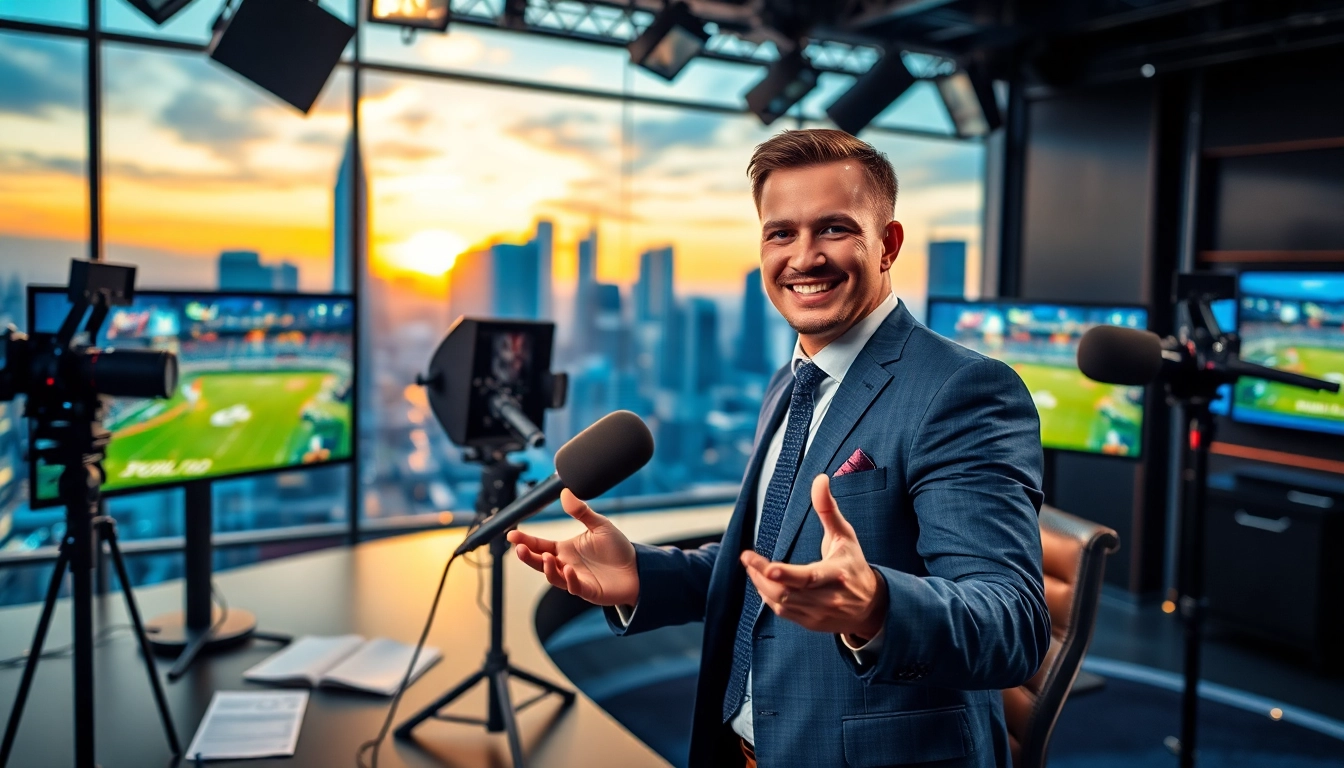
Understanding Sports Broadcasting
Sports broadcasting has transformed dramatically over the years, evolving from radio transmissions to live-streamed events accessible on mobile devices. As a multifaceted industry, it encompasses a range of platforms, technologies, and audience engagement techniques to deliver content that resonates with sports enthusiasts. This article delves into the essentials of Sports Broadcasting, exploring its evolution, key components, and the challenges and future trends shaping the sector.
The Evolution of Sports Broadcasting
The roots of sports broadcasting trace back to the early 20th century with radio broadcasts of sporting events. It marked a significant shift allowing audiences to experience events live from the comfort of their homes. The subsequent introduction of television brought visual elements into the mix, revolutionizing how viewers connected with sports. Today, the rise of the internet and advanced streaming technology has pushed the boundaries even further, enabling fans to watch games from anywhere, often without geographical restrictions.
Different Types of Sports Broadcasting
Sports broadcasting can be categorized into various types, including:
- Live Telecasts: Real-time broadcasts of sporting events that capture the thrill as it unfolds.
- Highlights Programs: Edited snippets summarizing key moments of games for quick consumption.
- Pre- and Post-Game Shows: Analytical discussions and expert commentary surrounding events.
- Sports News: Regular updates and reports on player trades, injuries, and other significant events.
- Online Streaming: Platforms providing live streams or replays of events accessible via the internet.
The Role of Technology in Modern Sports Broadcasting
Technology is a game changer in sports broadcasting, enabling innovations that enhance both the viewing experience and production quality. High-definition cameras, drones, and augmented reality graphics provide an immersive experience for viewers. Social media platforms are also integral, allowing broadcasters to interact with fans and gather real-time insights. Data analytics enhance storylines by providing insightful statistics and player performance metrics during broadcasts.
Key Components of Sports Broadcasting
Equipment and Tools for Effective Broadcasting
Quality equipment is essential to effective sports broadcasting. Key tools include:
- Cameras: High-definition and 4K cameras ensure viewers enjoy clear, high-quality visuals.
- Microphones: Quality microphones capture commentary and field sounds without interference.
- Switchers: Video switchers enable the seamless transition between different camera feeds.
- Graphics Systems: Software that adds scores, player stats, and overlaid graphics in real-time.
- Streaming Equipment: Tools and software that allow for encoding and distributing live video streams.
Building a Robust Broadcasting Team
Behind every successful broadcast is a dedicated team. Essential roles include:
- Commentators: Provide play-by-play narration and expert analysis.
- Producers: Oversee the production process, ensuring everything runs smoothly.
- Camera Operators: Capture the action with creativity and precision.
- Technical Staff: Handle equipment setup, maintenance, and troubleshooting during broadcasts.
Research and Preparation for Sports Events
Thorough preparation and research are vital for successful broadcasts. This includes understanding the teams, player histories, strategies, and previous match-ups. Producers often create detailed rundowns with statistics and storylines to generate rich, engaging content. Pre-event preparations ensure that the team is well-equipped to anticipate potential challenges that may arise, such as sudden weather changes or unexpected technical issues.
Delivering Engaging Content
Effective Storytelling Techniques in Sports Broadcasting
Storytelling is at the heart of sports broadcasting. Effective storytelling techniques involve crafting narratives that resonate with audiences, such as the journey of a struggling team or the personal stories of standout athletes. Utilizing a mix of emotional appeal, historical context, and statistical insights engages viewers on a deeper level, making them more invested in the broadcast.
Capturing and Maintaining Audience Attention
To capture and maintain audience attention amidst the bombardment of content, broadcasters employ several strategies:
- Dynamic Commentating: Energetic and engaging commentary can enhance viewer experience.
- Visual Effects: Engaging graphics help in emphasizing critical moments and statistics.
- Audience Interaction: Incorporating live polls or social media interactions keeps viewers engaged.
Utilizing Social Media to Enhance Broadcasting
Social media platforms have become valuable tools for enhancing sports broadcasts. They provide real-time updates, highlight clips, and interactive content, allowing fans to engage with the broadcast before, during, and after the event. Broadcasters also use social media to build communities and gather instant feedback, which can inform future broadcasts.
Challenges in Sports Broadcasting
Managing Live Broadcasts: Risks and Rewards
Live broadcasting presents unique challenges, including technical failures, unexpected events, and audience reactions. However, it also offers the excitement of spontaneity. Effective risk management practices, such as backup systems for critical equipment and a trained crisis response team, can mitigate potential failures and maintain broadcast quality.
Addressing Audience Expectations
Today’s audiences have high expectations for sports broadcasts, demanding not only quality but also immersive experiences. Broadcasters must continuously gauge audience feedback and innovate to meet these expectations. Investing in technology, enhancing storytelling, and creating interactive experiences are crucial steps in fulfilling viewer desires.
Compliance and Legal Considerations
Sports broadcasters must navigate a complex web of compliance and legal issues, including intellectual property rights for content, licensing agreements, and broadcasting regulations. Understanding these legal frameworks is essential to mitigate risks and maintain ethical standards in broadcasting.
Future Trends in Sports Broadcasting
The Impact of Streaming Services on Sports Broadcasting
Streaming services are reshaping the landscape of sports broadcasting. With a surge in subscribers, many viewers prefer flexible, ad-free experiences. This trend compels traditional broadcasters to adapt, leading to innovative partnerships and exclusive content deals that cater to niche audiences. Additionally, the integration of analytics into broadcasting can offer personalized viewing experiences.
Virtual Reality and Augmented Reality in Sports Broadcasts
Virtual reality (VR) and augmented reality (AR) technologies are poised to revolutionize the viewing experience. These technologies allow viewers to engage with live sports like never before—offering immersive experiences and unique perspectives. As these technologies mature, they are set to become mainstream features in sports broadcasting.
Embracing Innovations for Enhanced Viewer Experiences
To stay competitive, sports broadcasters must be early adopters of emerging technologies. Innovations such as 360-degree cameras, biometric data displays, and AI-driven content recommendations enhance viewer experiences. Broadcasters that embrace these technologies will likely capture larger audiences and foster deeper viewer loyalty.
FAQs
What is sports broadcasting?
Sports broadcasting involves transmitting live or recorded sports events via various platforms, including radio, television, and internet streaming.
How has technology changed sports broadcasting?
Technology has revolutionized sports broadcasting by enhancing production quality, enabling live streaming, and integrating advanced analytics and viewer interaction features.
What roles are essential in a sports broadcasting team?
Key roles in a sports broadcasting team include commentators, producers, camera operators, and technical staff, all working together to deliver content.
What are some challenges facing sports broadcasters?
Challenges include managing live broadcasts, addressing audience expectations, and navigating compliance and legal issues in the industry.
How do streaming services impact sports broadcasting?
Streaming services provide flexible viewing options for audiences, prompting traditional broadcasters to innovate and adapt to meet viewer demands.